The Craftsmanship Edit: Why Traditional Horology Outlasts Digital Wearables
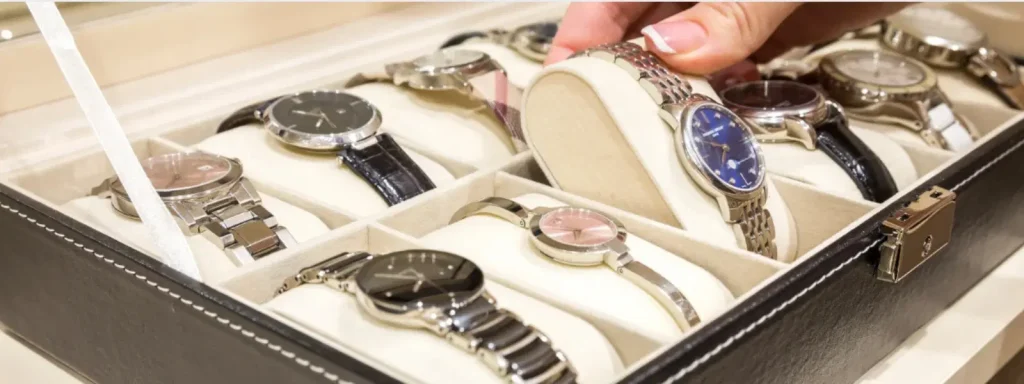
In our fast-paced digital world, where smartphones constantly buzz with notifications, there's something profoundly satisfying about glancing at a beautifully crafted wristwatch. Whether it's a sleek everyday companion or a luxurious heirloom, wristwatches represent more than just timekeeping—they embody craftsmanship, history, and personal style. Let's explore the fascinating world of these enduring accessories.
A Brief History: From Battlefield Necessity to Fashion Statement
The story of the wristwatch begins long before the 20th century. While pocket watches dominated for centuries, the idea of wearing time on the wrist emerged in the early 1800s. One of the earliest documented wristwatches was created by the legendary Swiss watchmaker Abraham-Louis Breguet in 1810 for Queen Caroline Murat of Naples—a delicate piece designed as a bracelet.
Wristwatches truly gained popularity during World War I. Soldiers found pocket watches impractical in the trenches, leading brands to adapt designs with straps for easy wrist access. This military necessity quickly transitioned into civilian fashion. By the 1920s, icons like Louis Cartier helped popularize them as stylish accessories for both men and women.
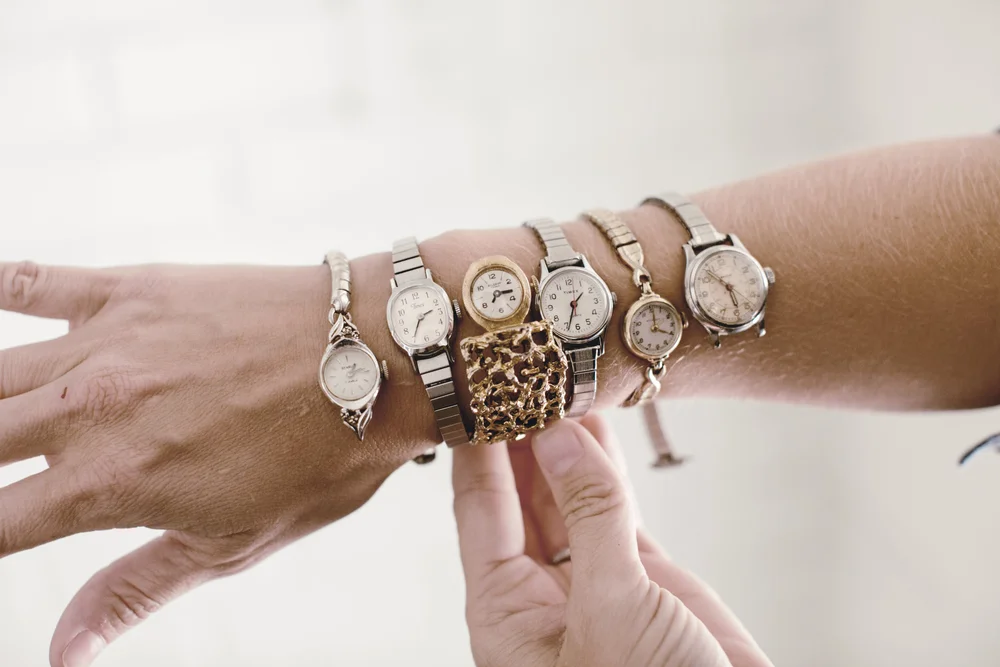
Key Milestones:
- 1810s: Early women's bracelet watches by Breguet.
- 1910s: Widespread military adoption during WWI.
- 1920s-1930s: Automatic winding mechanisms introduced (e.g., Rolex's Perpetual in 1931).
- 1960s: The Quartz Crisis revolutionized accuracy with battery-powered watches.
- 2010s-Present: Smartwatches add tech layers, but mechanical watches remain prized for their artistry.
How Wristwatches Actually Work
At their core, traditional wristwatches are marvels of miniature engineering.
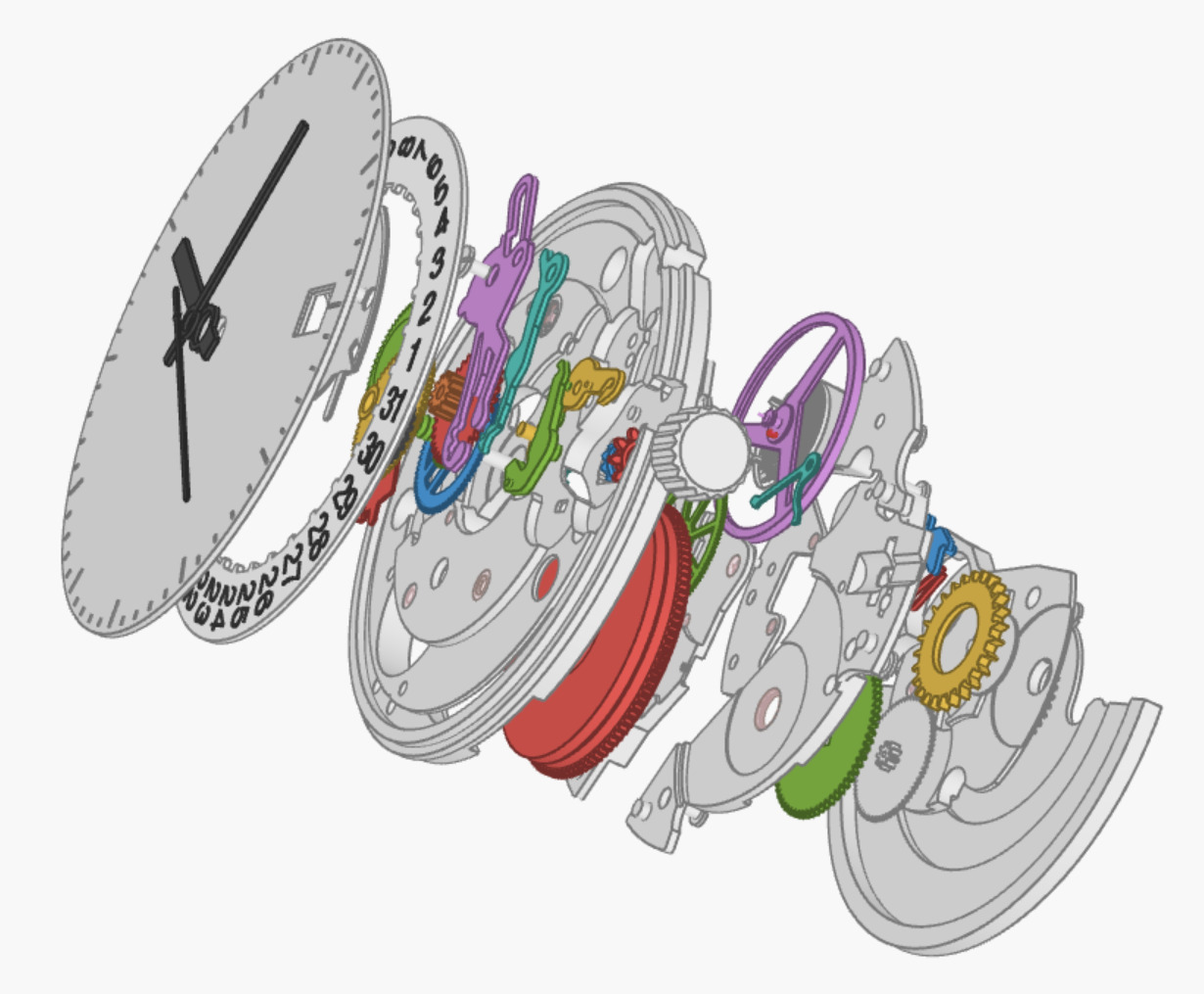
Mechanical Watches rely on a mainspring that stores energy when wound (manually or via an automatic rotor that spins with wrist movement). This energy powers a series of gears (the train) that drive the hands. The heartbeat comes from the balance wheel and escapement, which regulate the release of energy for precise ticking—typically oscillating at 28,800 times per hour in modern pieces.
Quartz Watches, introduced in the late 1960s, use a battery to send electrical current through a tiny quartz crystal, causing it to vibrate at an incredibly stable 32,768 times per second. This makes them far more accurate and affordable than most mechanical counterparts.
Modern Smartwatches blend these traditions with technology, offering fitness tracking, notifications, and more, while hybrid models combine classic aesthetics with digital features.
Iconic Brands and What Makes Them Special
The watch world is filled with legendary names, each with its own character:
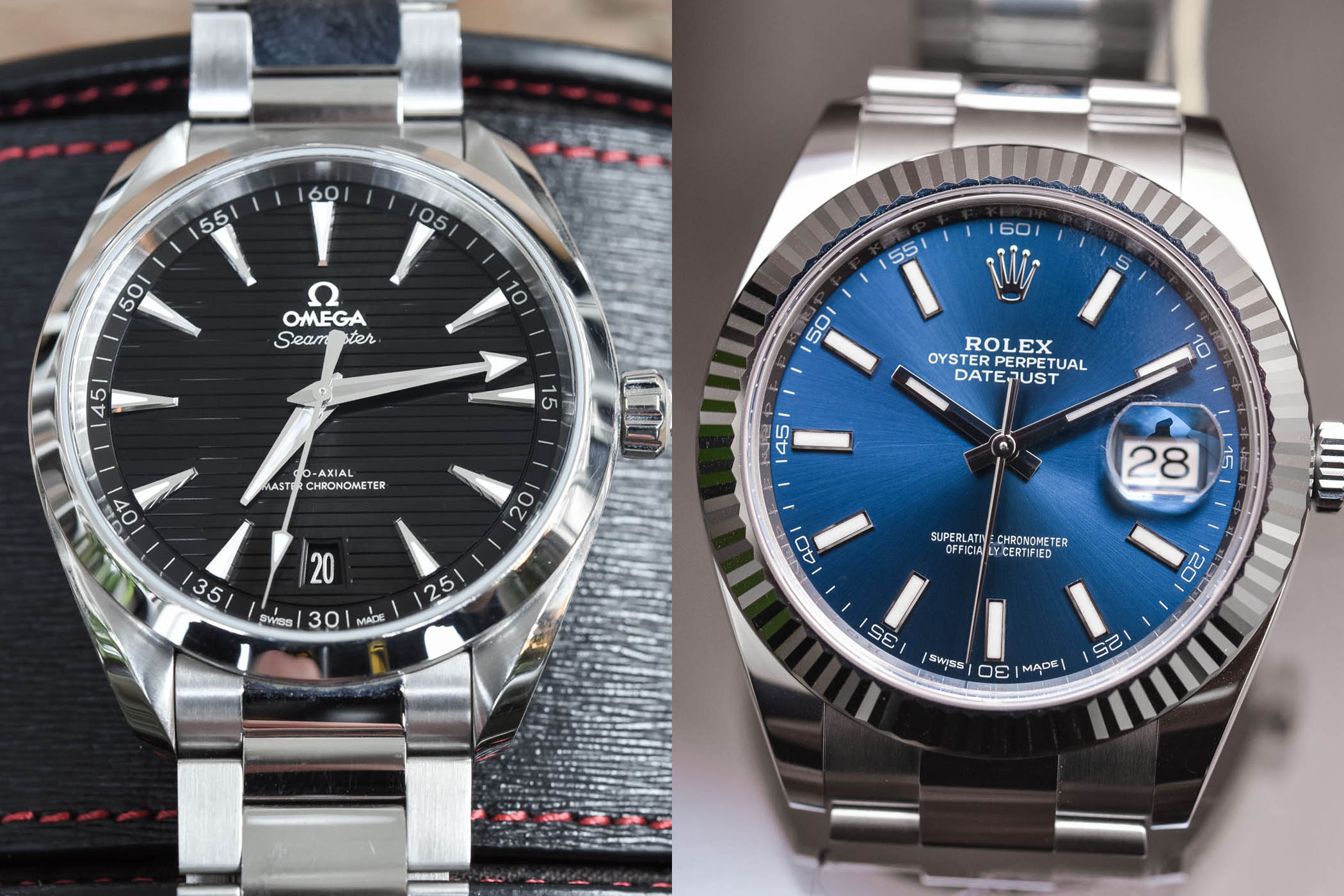
- Rolex: Founded in 1905, synonymous with durability and prestige. Models like the Submariner (diver's classic) and Daytona (racing chronograph) are cultural icons. Rolex's Oyster case, introduced in 1926, set standards for water resistance.
- Omega: Known for space exploration (Speedmaster was the first watch on the Moon) and James Bond's Seamaster. Their Co-Axial escapement represents significant mechanical innovation.
- Patek Philippe: The pinnacle of haute horlogerie, famous for complicated movements and timeless designs like the Nautilus. Their watches often appreciate in value as investments.
- Other notables: Audemars Piguet (Royal Oak's sporty luxury), TAG Heuer (motorsport heritage), and accessible quality from Seiko and Citizen.
Why Wristwatches Endure in the Digital Age
Beyond telling time, a wristwatch is a personal statement. Mechanical watches offer a tactile connection to traditional craftsmanship—each tick a reminder of human ingenuity. They require no charging, can last generations with proper care, and often become family heirlooms.
Collectors value them for:
- Complications: Features like moon phases, perpetual calendars, or tourbillons showcase extreme skill.
- Materials: From sapphire crystals to exotic leathers and precious metals.
- Investment Potential: Many luxury models hold or increase in value.
Even as smartwatches dominate convenience, enthusiasts appreciate the quiet elegance of a mechanical piece that doesn't need software updates.
Choosing Your Perfect Wristwatch
Consider your lifestyle:
- Daily wear: Robust quartz or automatic field watches.
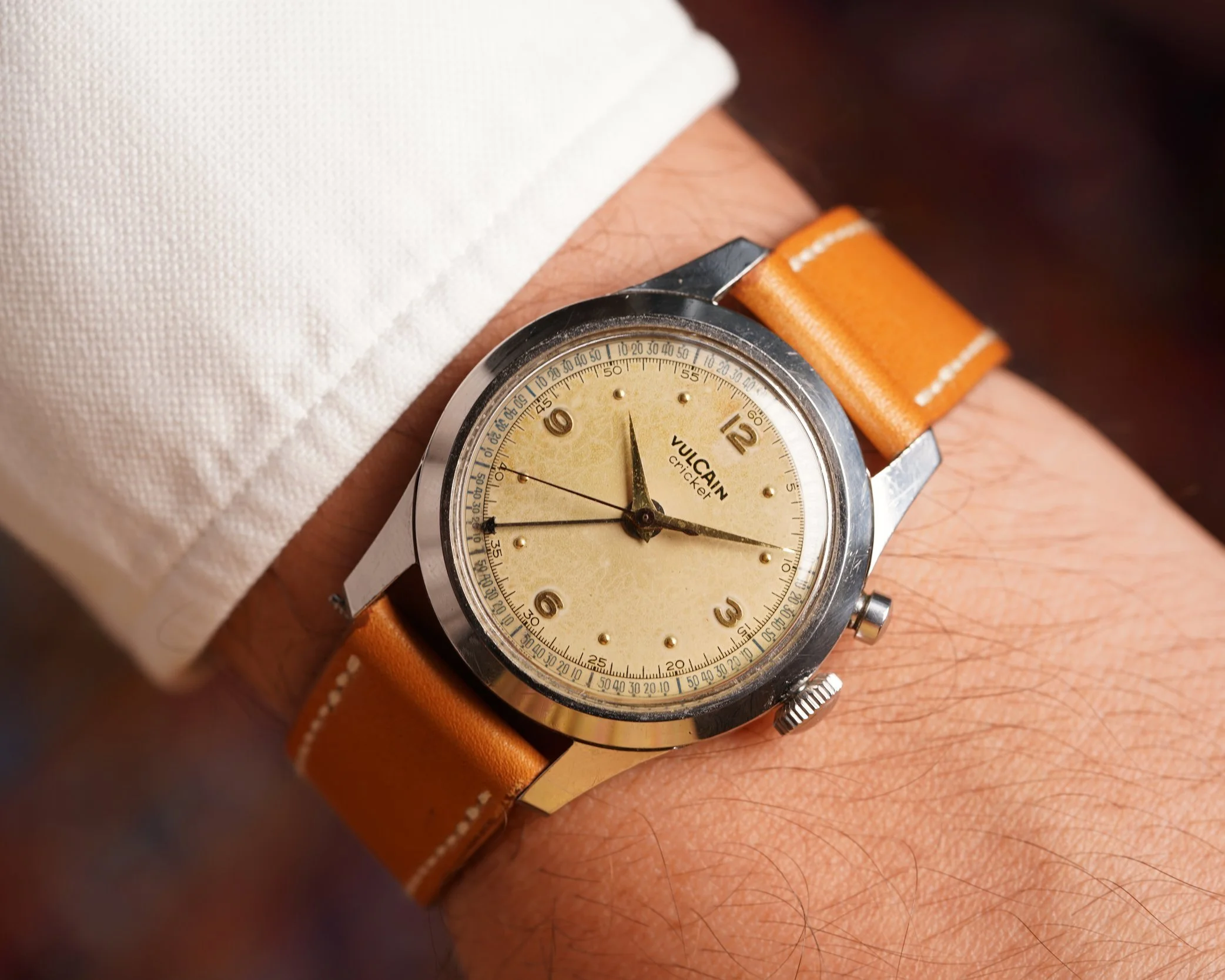
- Formal occasions: Slim dress watches with leather straps.
- Adventure: Dive watches with high water resistance (e.g., 300m+).
- Budget: Start with reliable brands like Seiko or Tissot before exploring luxury tiers.
Maintenance tips include regular servicing every 5-10 years for mechanical watches and protecting against shocks and magnets.
Wristwatches continue to evolve while honoring their rich heritage. They remind us to slow down and appreciate the finer details in life. Whether you're drawn to vintage charm, modern minimalism, or high-tech hybrids, there's a perfect timepiece waiting to adorn your wrist.